

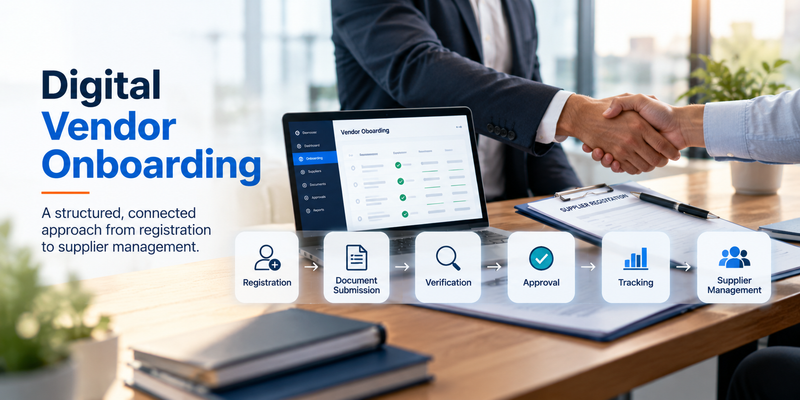
Vendor onboarding can involve supplier information, document submission, verification, approvals, compliance information, and communication between multiple stakeholders. When these activities depend heavily on manual coordination, it can become difficult to maintain visibility across the onboarding process.
A Digital Vendor Onboarding System provides a structured web-based approach for managing these activities. Vendora’s vendor onboarding approach combines digital access, real-time information updates, automated workflows, document management, stakeholder communication, tracking, reporting, and security controls.
24/7 Accessibility for Vendor Onboarding
A web-based vendor onboarding portal provides stakeholders with access to the onboarding process beyond traditional office-based workflows.
The source describes 24/7 access as a way for stakeholders to engage with the platform at a time that is convenient for them, helping accommodate different schedules and time zones.
For organizations working with suppliers across different locations, this accessibility can make vendor communication and information submission easier to coordinate.
A User-Friendly Vendor Onboarding Experience
Vendor onboarding involves participation from both suppliers and internal teams.
A user-friendly interface can make it easier for users to navigate the onboarding process and complete the required activities.
Vendora’s source describes its Vendor Onboarding portal as having an intuitive interface designed to reduce the learning curve for users.
Real-Time Vendor Information Updates
One of the important requirements of vendor management is having access to current supplier information.
Changes to:
- Vendor information
- Compliance status
- Document submissions
can affect the onboarding process.
Vendora’s Vendor Management Portal provides real-time updates so that changes are reflected in the system and users can work with the latest available information.
Automated Vendor Onboarding Workflows
Manual vendor onboarding can require repeated activities such as:
Document submission → Verification → Review → Approval
A digital workflow can organize these activities into a defined process.
Vendora’s Supplier and Vendor Onboarding approach uses automated workflows to support activities such as document submission, verification, and approval. The source states that this can help reduce the risk of manual errors.
Centralized Vendor Document Management
Supplier onboarding often requires supporting documents to be collected and maintained.
A vendor onboarding portal can provide a centralized location where users can:
- Upload documents
- Access documents
- Update documents
- Manage supplier-related information
This provides a more organized approach to vendor document management within the onboarding process.
Integrated Communication Between Stakeholders
Vendor onboarding requires communication between suppliers and internal stakeholders.
Instead of relying only on separate communication channels, a Vendor Management Software platform can provide communication within the workflow.
Vendora describes support for:
- Notifications
- Alerts
- Requests for additional information
- Real-time updates
- Stakeholder communication
These capabilities help maintain communication throughout the onboarding process.
Real-Time Tracking and Reporting
Knowing the current status of vendor onboarding is important for procurement and supplier-management teams.
A structured portal can provide visibility into:
- Onboarding progress
- Pending activities
- Supplier status
- Required information
- Coordination between stakeholders
Vendora’s source connects real-time progress tracking with Supplier Relationship Management (SRM) and describes this visibility as supporting coordination and collaboration.
Scalability for Growing Supplier Networks
Vendor-management requirements can change as an organization grows.
A scalable Vendor Management Portal can adapt to changing organizational requirements and supplier-management needs.
Vendora describes its web-based Vendor Onboarding software as a scalable platform designed to support evolving organizational requirements.
Security in Digital Vendor Onboarding
Vendor onboarding can involve sensitive supplier information.
The source identifies several security measures within the Supplier Onboarding Portal, including:
- Encryption
- Authentication
- Access controls
These controls are intended to support secure engagement and protect the confidentiality and integrity of supplier information.
Organizations should still evaluate security controls against their own IT, data-protection, procurement, and compliance requirements before implementation.
Digital Vendor Onboarding: From Registration to Supplier Management
Digital vendor onboarding is not simply about replacing a paper form with an online form.
A structured process can connect:
- Supplier Registration
- Information Submission
- Document Management
- Verification
- Approval
- Progress Tracking
- Supplier Relationship Management
This provides stakeholders with a clearer view of where a supplier stands within the onboarding process.
Vendora positions Digital Vendor Onboarding within a broader Vendor Management environment, connecting onboarding with supplier information, communication, reporting, and ongoing supply-chain activities.
Key Benefits of Digital Vendor Onboarding
A structured digital vendor onboarding approach can provide:
- 24/7 access to the onboarding portal
- Easier supplier participation
- Real-time vendor information updates
- Compliance-status visibility
- Centralized document management
- Automated document workflows
- Structured verification and approval
- Notifications and alerts
- Progress tracking
- Reporting
- Scalability
- Security controls
These capabilities should be configured according to the organization’s actual vendor-management process and requirements.
Who Can Benefit From Digital Vendor Onboarding?
Digital vendor onboarding can be relevant for organizations that:
- Manage a large or growing supplier network
- Need centralized vendor information
- Receive supplier documents digitally
- Have multiple internal approval stakeholders
- Need visibility into onboarding progress
- Want to reduce dependence on manual communication
- Need a structured supplier-management workflow
It can be particularly relevant to procurement, supply-chain, vendor-management, finance, quality, compliance, and IT teams.
How to Approach Digital Vendor Onboarding
Before implementing a system, organizations should define:
1. Required Supplier Information
Determine the information that suppliers must provide during onboarding.
2. Required Documents
Identify mandatory documents and define how they should be submitted and maintained.
3. Approval Responsibilities
Define which departments or roles are responsible for reviewing and approving supplier information.
4. Supplier Status
Define the stages a supplier moves through before becoming ready for procurement activities.
5. Communication Requirements
Determine how suppliers and internal teams should receive notifications, requests, and updates.
6. Reporting Requirements
Identify the information management needs to monitor onboarding progress and pending activities.
7. Security Requirements
Evaluate authentication, access controls, encryption, and other security requirements according to organizational policies.
Why Digital Vendor Onboarding Matters
The value of digital vendor onboarding is not limited to faster data collection.
The larger objective is to create a structured, visible, and manageable supplier onboarding process.
When supplier information, documents, verification, approvals, communication, tracking, and reporting are connected, procurement teams can spend less time determining where information is located and more time managing the supplier relationship.
Vendora’s Digital Vendor Onboarding approach brings these activities together through a web-based Vendor Management Portal with automated workflows, centralized document management, communication, tracking, reporting, scalability, and security controls.

